
I bounced off Returnal the first time I tried it. The second attempt — about three months later, after a long flight, on a recommendation from a friend — was when the design clicked. This is a review of the second attempt.
There's an interesting trap that games in the Action Roguelike space tend to fall into. Returnal mostly avoids it, but the way it avoids it is more interesting than the genre itself.
Gameplay
Mechanically, Returnal sits at an interesting intersection. The decision-into-consequence loop pulls from deck-builder DNA, but the way Housemarque layers environmental storytelling on top changes how you approach each session. After a few hours you start to recognize patterns — not just in the game, but in your own decisions.
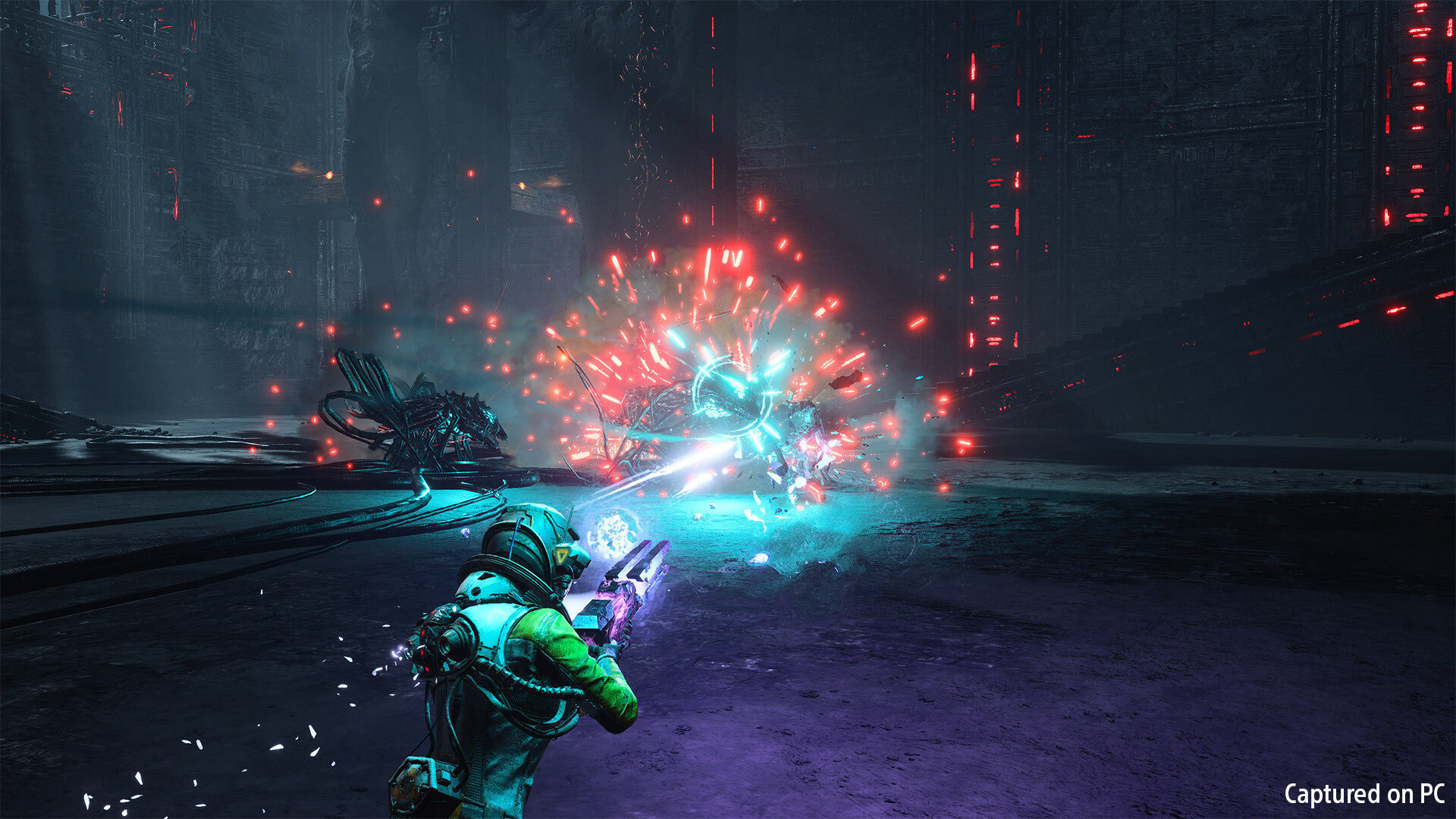
The core loop is intentionally over-long. You draw a hand, then you commit to a route, then you either commit or hit reset. What separates Returnal from peers in the Action Roguelike space is the way the second decision changes the first one. It's a subtle thing, but you feel it more the longer you play.
Story & Setting
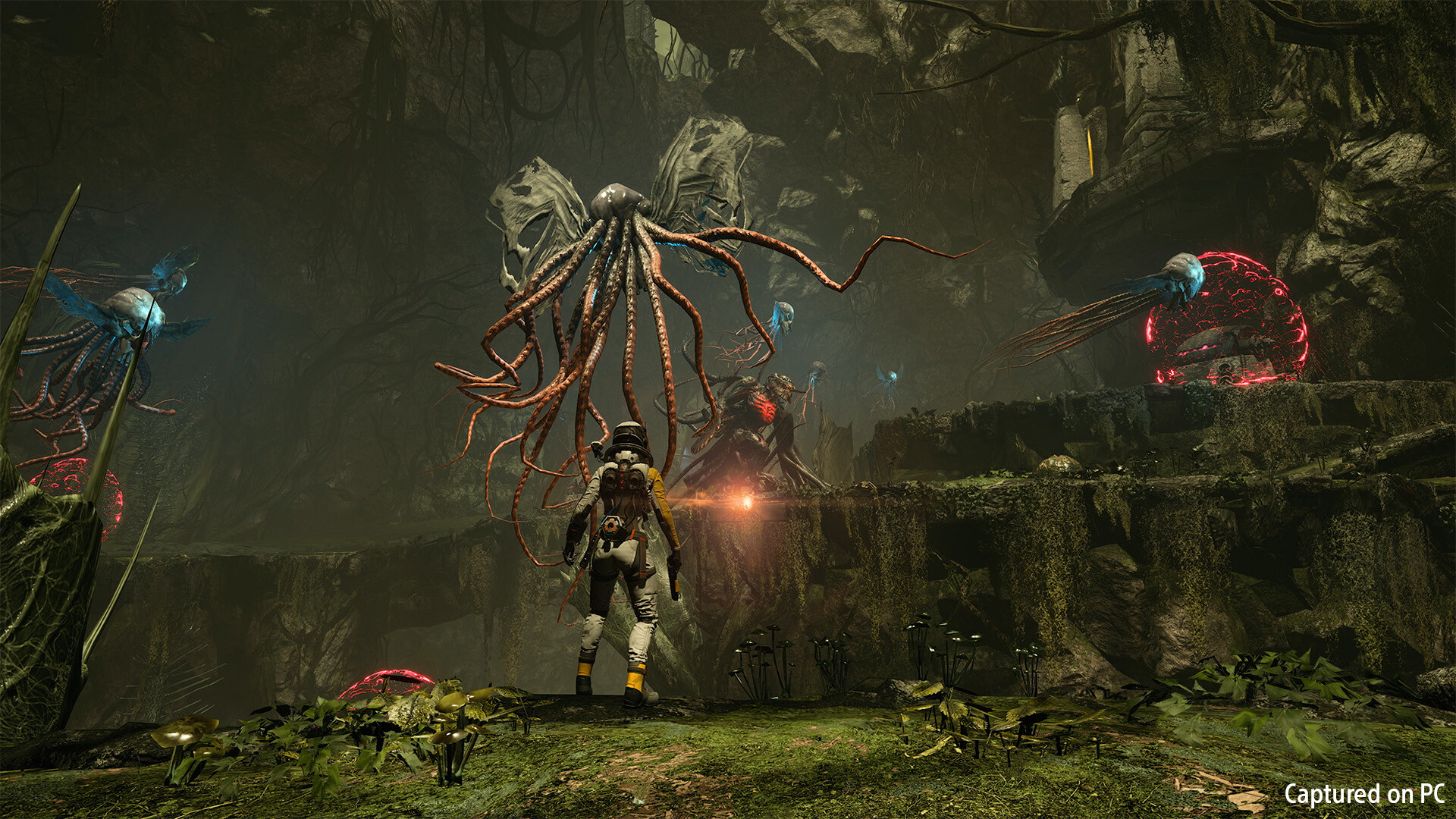
The story is told mostly through environment and incidental dialogue, which is the right choice for the kind of game this is. There are no twenty-minute cutscenes. There are no NPCs who follow you around explaining lore. What there is, instead, is a world that responds to attention.
The writing in Returnal is the best argument for taking dialogue trees seriously again. Every choice feels weighted. Every NPC has a recognizable voice. It's not subtle work — but it's the kind of unsubtle work that takes years to get right.
Visuals & Performance
Performance is solid on the platforms we tested. Frame rate stays in target ranges, load times are short, and we didn't encounter game-stopping bugs across roughly 32 hours of play. Visual fidelity is competitive — not industry-leading, but competitive — and the optimisation work shows.
Verdict
We score Returnal a 7/10. That's high for the genre, but the strengths are unambiguous and the weaknesses are addressable through patches. Worth the time of anyone with even a passing interest.
Housemarque has earned the benefit of the doubt with Returnal. It's not their best work — that's probably still Dark Souls III — but it's a stronger argument for taking small studios seriously than any pitch deck.
Verdict
| Category | Score |
|---|---|
| Gameplay | 10/10 |
| Story | 9/10 |
| Visuals | 9/10 |
| Replayability | 7/10 |
Frequently asked questions
How long does it take to finish Returnal?
Main story runs around 18-25 hours depending on how thoroughly you explore. Completionists can spend 2-3× that.
Is Returnal good for newcomers to Action Roguelike?
It depends. The systems are deep but the tutorial does a fair job. Veterans of Action Roguelike will feel at home faster.
Which platform should I play Returnal on?
Steam Deck handles this title well — verified compatibility on most recent patches.
Was Returnal worth the launch-day price?
Depends on backlog. The replay value justifies the price for genre fans; casual players should wait for a 40%+ discount.
Are there DLCs or expansions worth picking up?
Skip the cosmetic DLC. The story expansion is the only one we'd recommend at full price.
What did Housemarque get right (and what could be better)?
The systems are confident and the combat is satisfying. The story handoffs and load times are the rough spots.
Comments
Comments are moderated. Be civil — disagreement is fine, abuse isn't.
Bought it on sale last week — already 18 hours in. Highly recommend.
Bookmarked for when it drops to half price. Cheers for the honest writeup.
The economy is broken in the late game, surprised this wasn't mentioned.
Fair scoring. The combat polish carries a lot of the playtime here.
Spoiler-free reviews like this are rare. Appreciated.